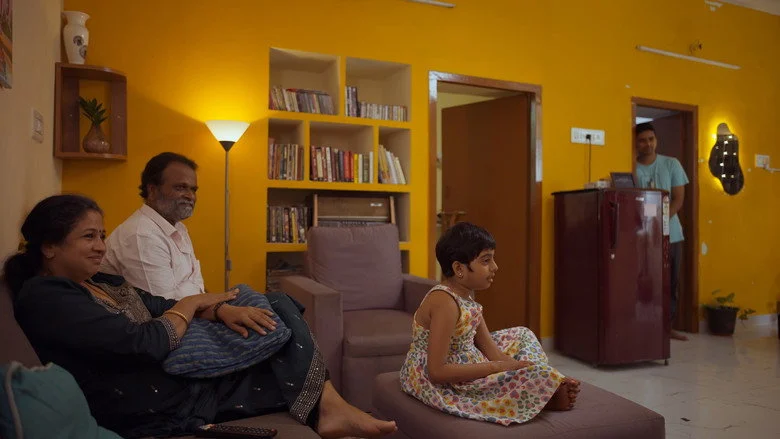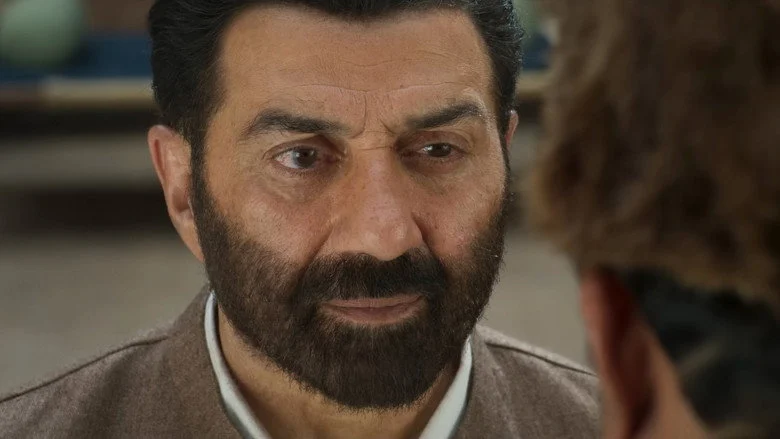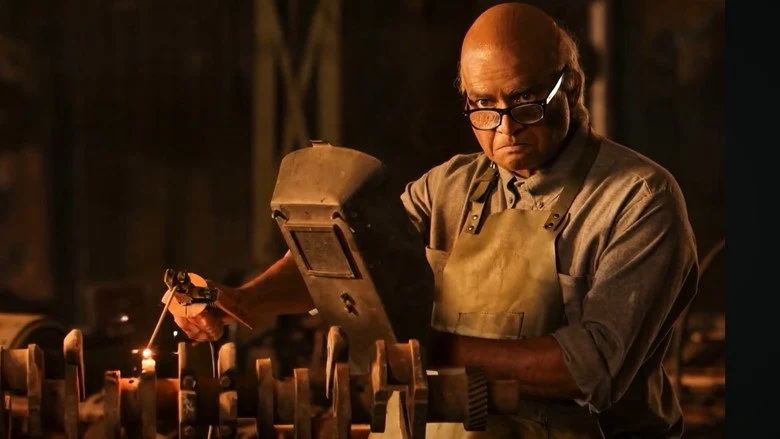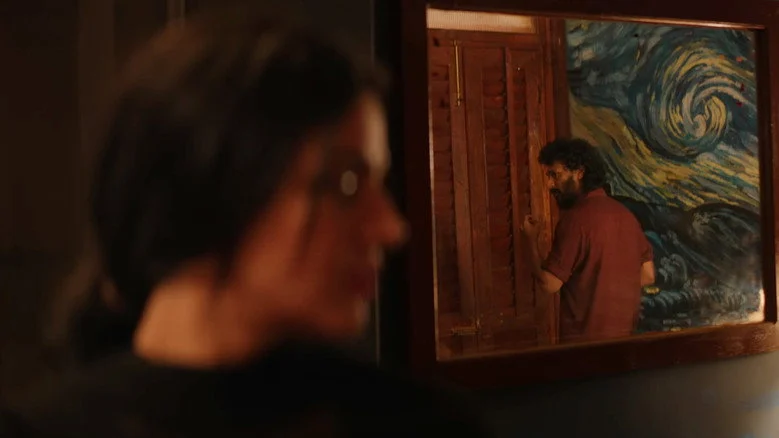
Jaipur’s golden hour casts its spell as Shiva (Sananth) and a stranger named Sadhana lock eyes during a heritage walk, the air thick with unspoken possibility. This visual poetry, however, is quickly undone by a plot twist so contrived it makes the entire romance feel like a house of cards built on quicksand.
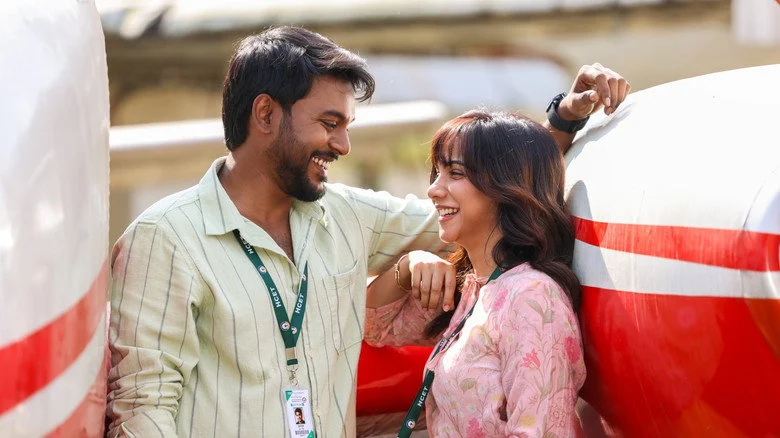
Sananth’s Charm Can’t Mask a Broken Script
Sananth is effortlessly watchable as Shiva, the head chef with a stable life and a ready smile. He sells the early warmth and the later confusion with equal skill, particularly in the memory loss revelation scene where his confusion feels genuine.
But no amount of natural ease can make an audience care when the screenplay itself keeps erasing its own emotional logic. I found myself wishing for a film that trusted its lead more than its gimmick.

Kishore Kumar Builds a Pretty Stage, Then Trips
Kishore Kumar has an eye for romantic composition, the restaurant banter, the flirty tourist walks, the leisurely pacing of a couple in love. The tonal setup is solid, warm, and inviting.
Yet his screenplay buckles under the weight of its own amnesia device. The mechanism of memory loss is hand-waved, and the emotional stakes feel manufactured rather than earned, making the second half drag into tedium.
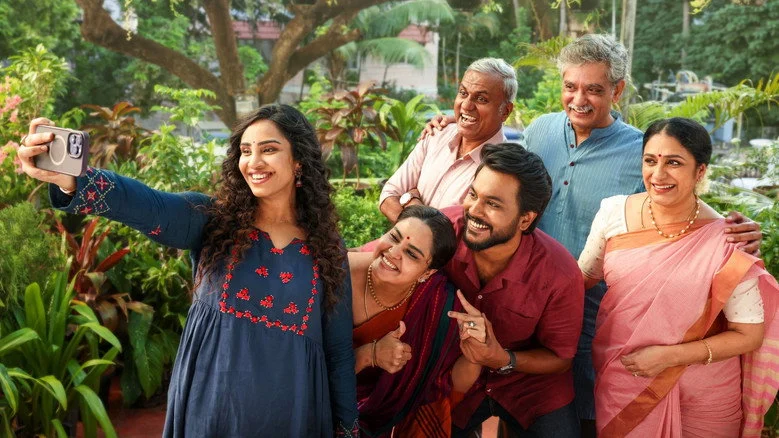
The Romance That Forgets Its Own Rules
The central love triangle relies entirely on visual chemistry, and for a while, it works. Sananth and Madonna Sebastian share a screen presence that is “easy on the eyes and easy to like, ” as the Times of India noted.
But when the ex-girlfriend reappears and the amnesia card is played, the narrative begins to “mistake noise for feeling, ” piling on contrivance after contrivance. The heritage walk scene, the film’s best, is never matched again.
The predictable resolution confirms what the first half hinted: this is a romance without the courage of its own convictions. The New Indian Express put it bluntly: “This amnesiac romance forgets its heart.”
WhatsApp Mani Provides the Only Honest Anchor
WhatsApp Mani, as Shiva’s friend and business partner, offers a grounded friendship dynamic that feels refreshingly real in a film full of romantic abstractions. His scenes in the restaurant provide much-needed comedic breathing room.
Emaya as Sadhana creates genuine tension during her introduction, but her character is relegated to a plot device, her motivations paper-thin. Madonna Sebastian brings emotional weight to an unnamed role that deserved more screen time to match her evident talent.
A Romance That Trades Feeling for Gimmick
With an average critic rating of 2.5/5, Heartin is the kind of film that looks good in stills but unravels under scrutiny. The music by Rajesh MRadio is catchy, and the first half is genuinely playful, but the amnesia plot is a narrative crutch, not an insight.
Audiences have responded with 60% positive sentiment, drawn to the chemistry, but the 40% who complain about the story’s predictability are not wrong. This is a film that mistakes a clever idea for a complete one.
For those who enjoy the genre, browse more Tamil Drama reviews to see how this one compares.
Heartin is a watch only if you are a fan of the lead cast and willing to forgive a plot that collapses under its own weight. Skip it if you need your romance to follow emotional logic, the heritage walk is lovely, but you can catch it on a trailer. Best seen in a regular theatre, where the warm cinematography can briefly distract you from the hollowness at the story’s core.
Heartin is a forgettable romance that earns a critic-style 2.5/5, pretty frames can’t fix a screenplay that has no heart.
For a more compelling take on memory and missed connections, check out Suitcased verdict.