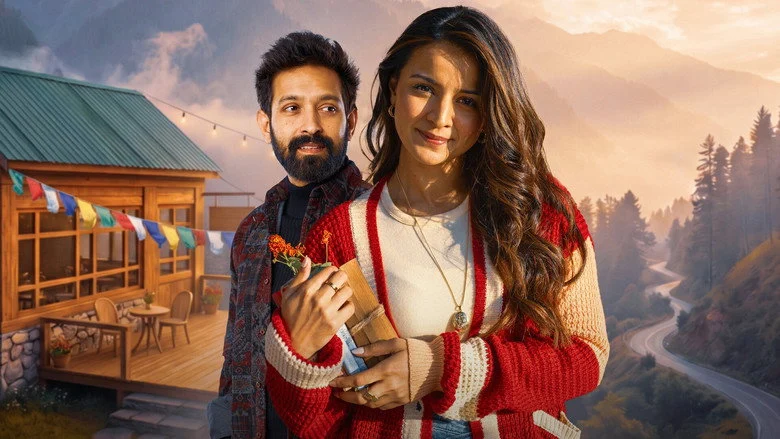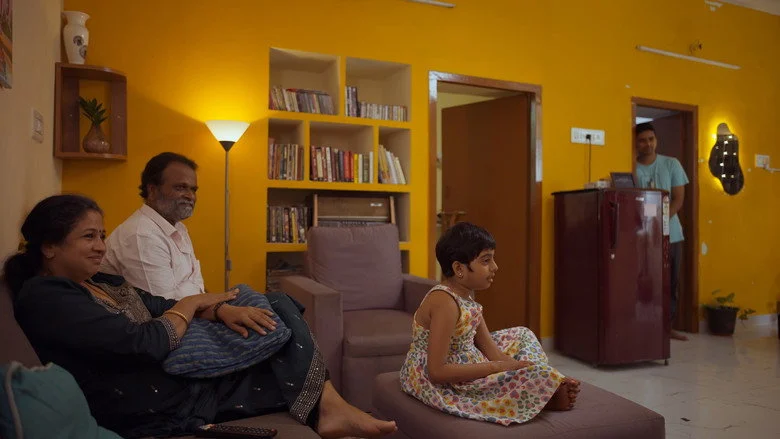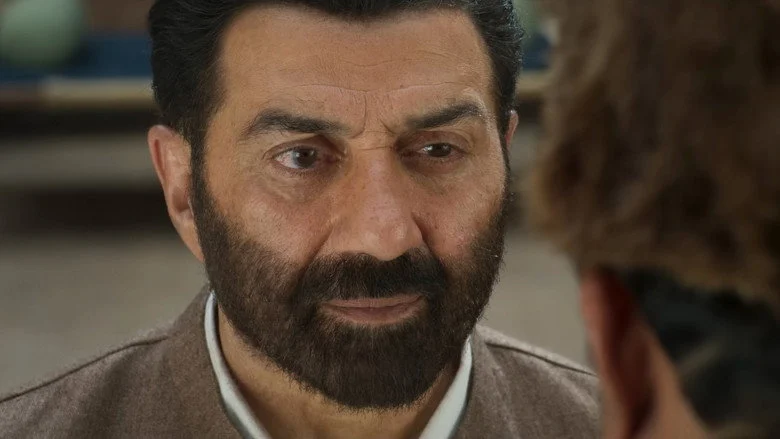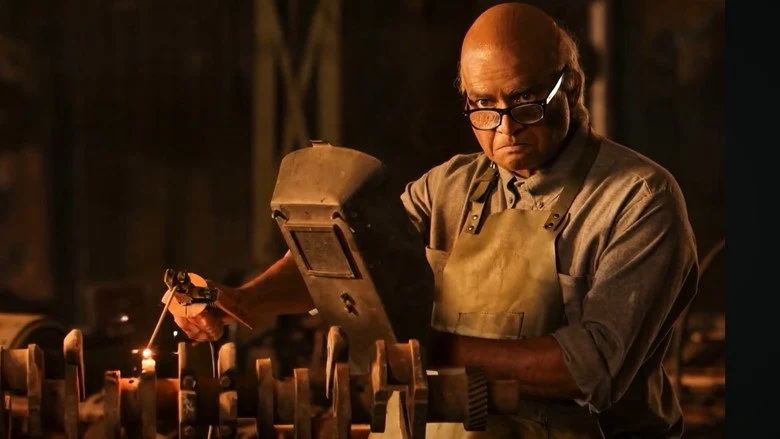
The roadside eatery is barely standing, and Selvaraghavan’s protagonist wipes sweat from his brow before asking the local strongman for a basic road repair. In that single moment, you feel the weight of a man who has borrowed money he cannot repay and a dignity he refuses to sell. This is the kind of performance that makes you wish the film around him was half as sturdy.
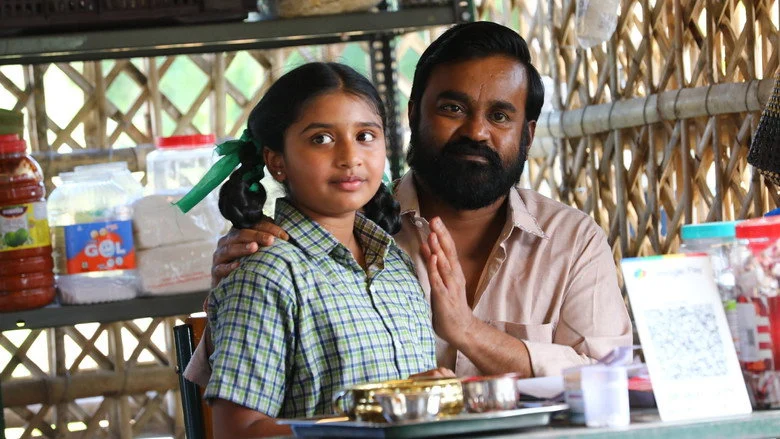
The director’s eye for village life versus a bloated third act
Dennis Manjunath captures the rustic texture of rural Tamil Nadu with an authenticity that few debutants manage. The village assembly scene, where the hero demands basic improvements, bristles with lived-in tension.
But the screenplay loses its nerve in Act 3, piling on melodrama until the emotional core drowns. The resolution around land and faith becomes an endless array of trauma, as Cinema Express aptly noted, leaving clarity buried under sentiment.
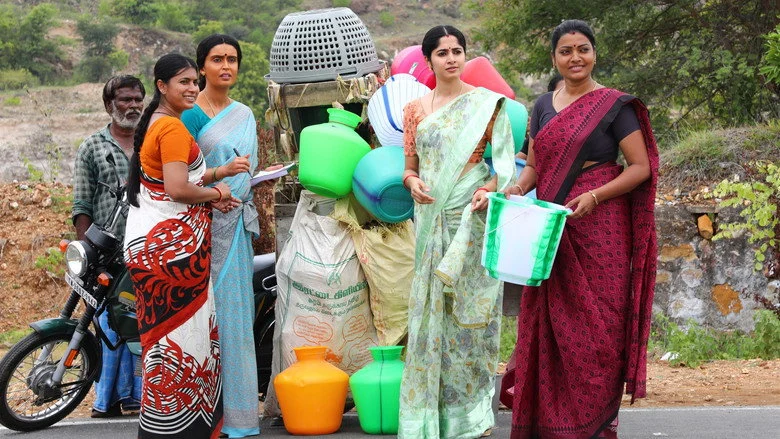
Genre-core execution: rural drama weighed down by its own ambition
The film works best as a rural family drama when it stays small. The roadside eatery argument and the community gathering where the protagonist questions local power feel grounded, drawing you into a world of caste politics and economic desperation. The cinematography uses natural light to frame the village not as a postcard but as a pressure cooker.
When the crime-action elements surface in the second half, the gear-shift is jarring. The final confrontation between Selvaraghavan and Mime Gopi over land rights has the choreography of a climax but none of the narrative buildup that made the earlier scenes sting. One minute the hero is a struggling vendor; the next he is a guardian figure fighting a land war.
The spiritual theme, sacrifice as the only path to preserve the bond between people and their land, is noble on paper but delivered through dialogue that feels written rather than felt. The film’s best moments are wordless: a glance, a sweat-drenched pause, a long shot of the protagonist walking home.
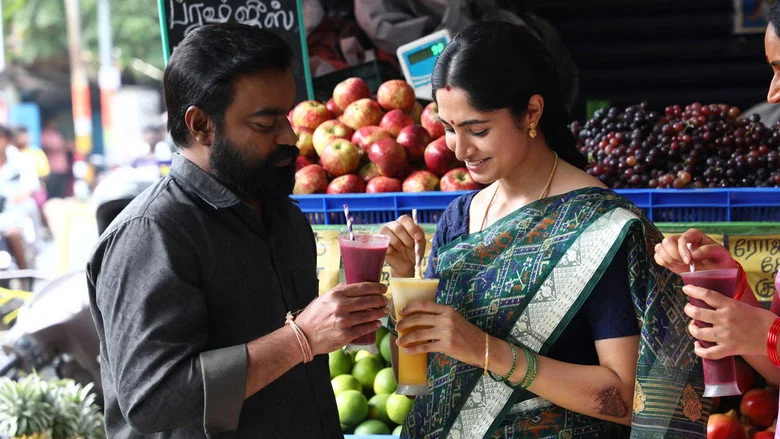
Mime Gopi and Kousalya dig the film out of its own holes
Mime Gopi plays the antagonist with a coiled restraint that makes every confrontation tense. His presence in the village assembly scene is chilling because he doesn’t shout; he simply watches and waits.
Kousalya, as the protagonist’s wife, provides the emotional ballast the film desperately needs. She doesn’t have many lines, but her silence in the scene where she hands over the day’s earnings tells you more about poverty than any monologue could.
Y.G. Mahendran appears as a village elder and brings a weary gravitas that the younger cast cannot fully match, while Kushee Ravi’s young activist feels underwritten, a character defined by function rather than flesh.
Audience reception and the melodrama tax
The BookMyShow audience score of 3.8/5 and an IMDb rating of 6.4/10 (12, 458 votes) suggest that the general public is more forgiving than critics. Social media sentiment sits at 62% positive, with praise for the authentic portrayal of rural struggles and Selvaraghavan’s emotional depth.
But the complaints, a forced melodramatic ending and inconsistent second-half pacing, mirror exactly what Cinema Express flagged. The film earns its U/A 16+ certificate honestly, but it wears its social message like a badge rather than weaving it into the story.
The box office figures remain undisclosed, which in trade parlance often signals a modest run rather than a breakout.
If you want more context on how similar rural dramas have fared, browse Tamil Drama reviews across the site.
Should you watch it?
Selvaraghavan fans will find his performance worth the ticket price, he embodies the protagonist’s quiet desperation with a physicality that the script cannot match. But if melodrama makes you wince, wait for the Prime Video release and skip the last thirty minutes. The film works best in a regular theater where the cinematography can breathe, but don’t expect a clean narrative arc.
Manithan Deivamagalam is a sincere but uneven rural drama that earns a generous 2.5 out of 5, watch it for the performance, endure it for the finish.
For a sharper take on political storytelling, read how TN 2026 review.
Compare this with Leader verdict for a patchy but powerful counterpart.